What do riders really want from a shifting system? The answer is simple: comfort. An unbroken rhythm and a seamless ride. This was the exact design brief for the Bafang RG E510.D 5-speed electronic shifting gear hub.
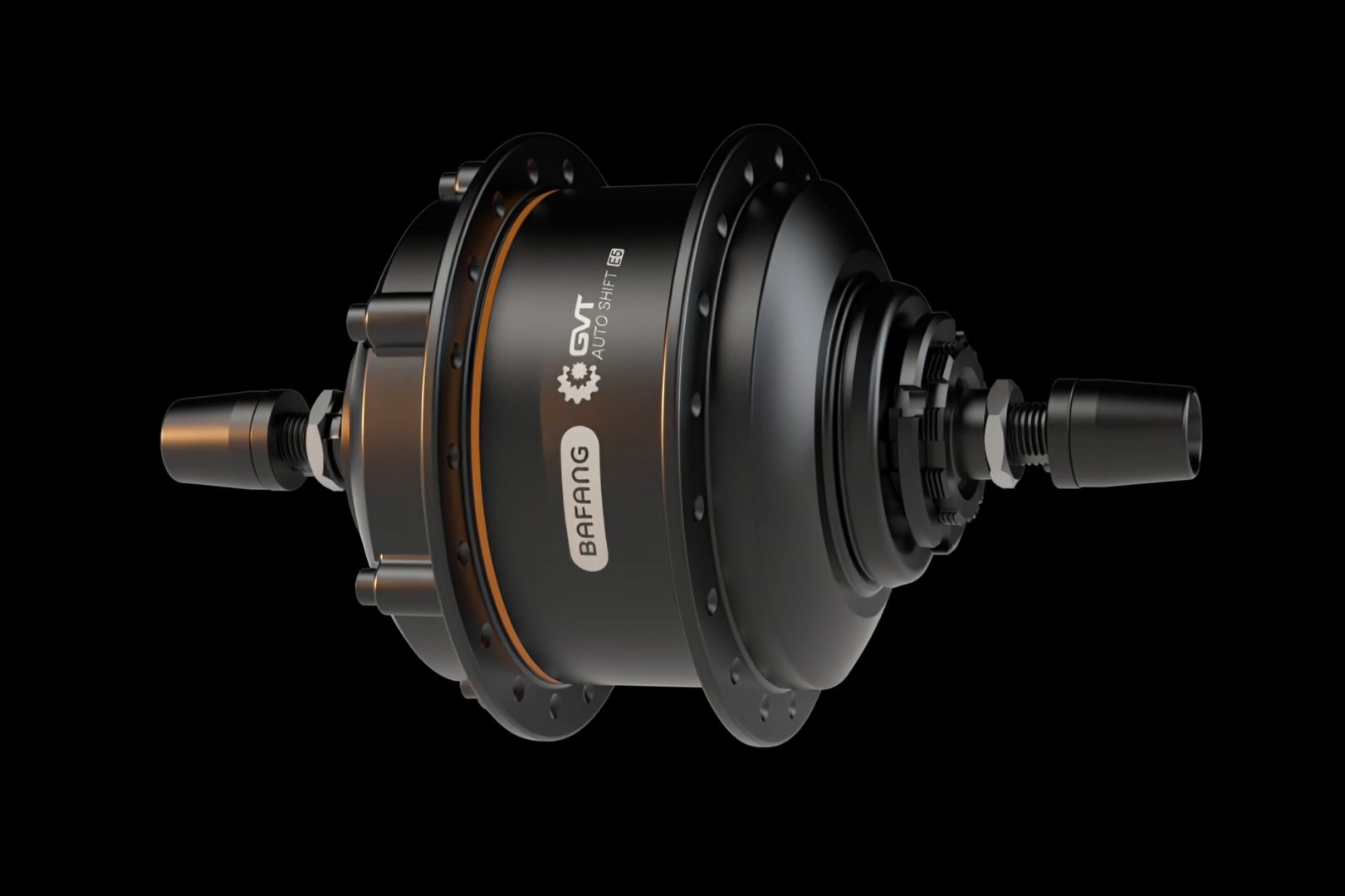
Comfort is a balancing act between two dimensions: cadence and effort. Optimize one while neglecting the other, and fatigue sets in. Rather than chasing a rigid cadence number, the RG E510.D uses the rider's preferred rhythm as a baseline, keeping both cadence and effort within a personalized comfort zone.
Reading the Road: Anticipating Every Rise and Fall
Precise gear selection requires knowing exactly how fast the wheel is turning. At any given speed, the gear ratio dictates your cadence. The more accurately wheel speed is measured, the closer the gear selection is to your comfort zone. To achieve this, instead of the standard single-magnet sensors found on most eBikes, the RG E510.D uses a built-in 24-pulse wheel speed sensor.
This precision advantage is most obvious at low speeds. Take a 28-inch wheel moving at 5 km/h: a single-magnet sensor updates only once every 1.5 seconds, while the RG E510.D captures around 15 readings per second. This millisecond-level difference defines how instantly the bike responds when you pull away, laying the hardware foundation for a remarkably smooth Walk Assist.
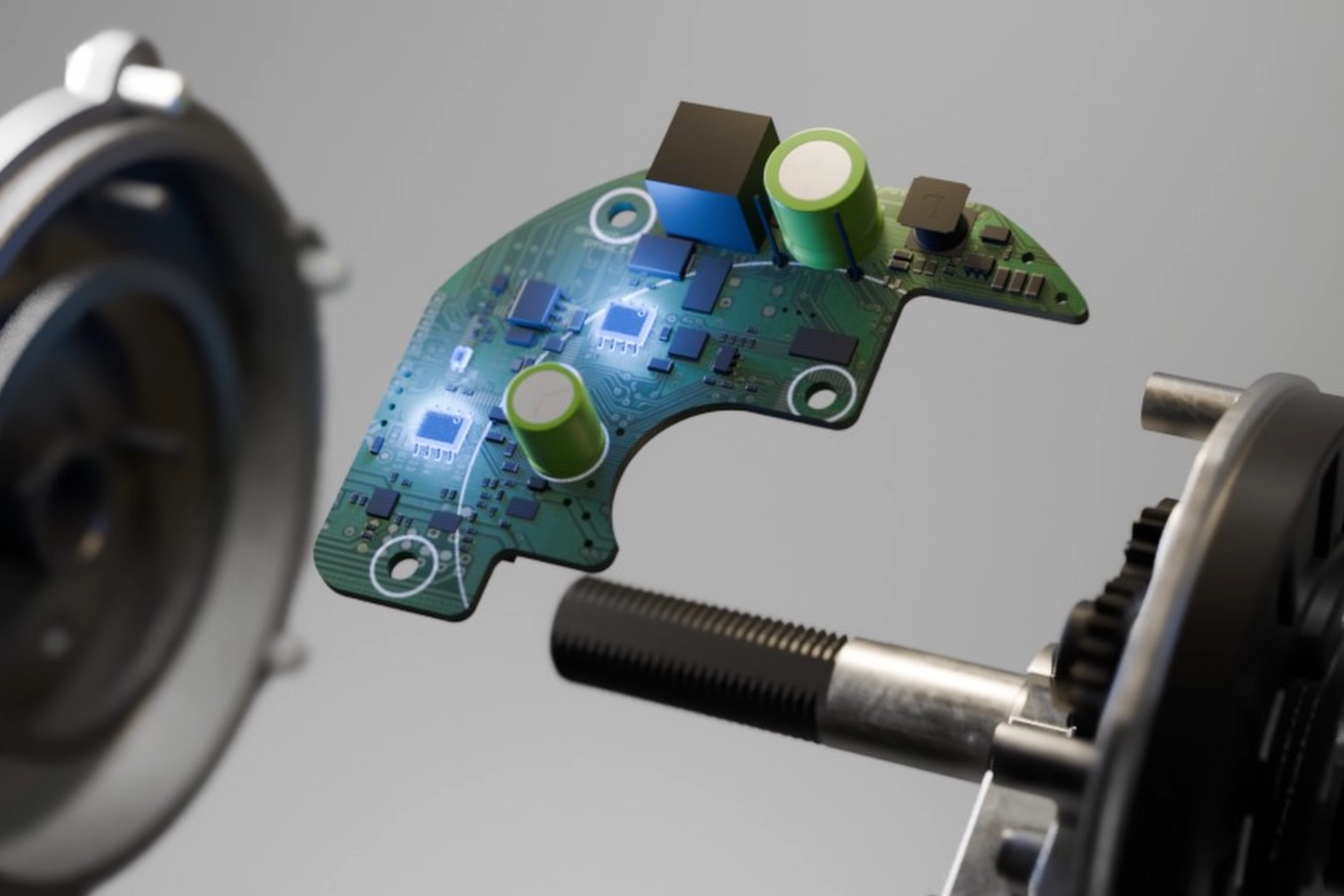
While wheel speed tells the hub what is happening now, the gradient tells it what is coming. The built-in 6-axis IMU recognizes a climb and downshifts before the bike loses momentum or the rider feels the strain. The algorithm smartly filters out vibrations from braking, cornering, or hitting a kerb, ensuring a flat road is never mistaken for a steep hill.
Knowing the Rider: Seamless Shifting at the Perfect Moment
"Reading the road" tells the system when to shift. "Knowing the rider" ensures the exact moment it happens is flawlessly smooth.
Under heavy pedal load, the drivetrain locks up tightly, making forced shifts harsh and noisy. The ideal solution is to shift at the "low-load point" of the pedal stroke, when the cranks pass near the vertical position and your force naturally dips to its lowest point. But catching this exact moment is a massive challenge. At 80 rpm, the gap between two low-load points is less than half a second, a fleeting window that is incredibly difficult to time. Add in the fact that every rider's force profile is unique, and that posture or fatigue constantly changes your pedaling style, and the sensor signals are inevitably noisy.
To overcome this, the RG E510.D abandons fixed torque thresholds. Instead, the software identifies each rider's unique pedaling rhythm: the "phase of their torque." By relying on a consistent pattern across consecutive strokes, the system predicts the next low-load point before it even arrives. Even under heavy loads on steep climbs, it maintains remarkable stability.
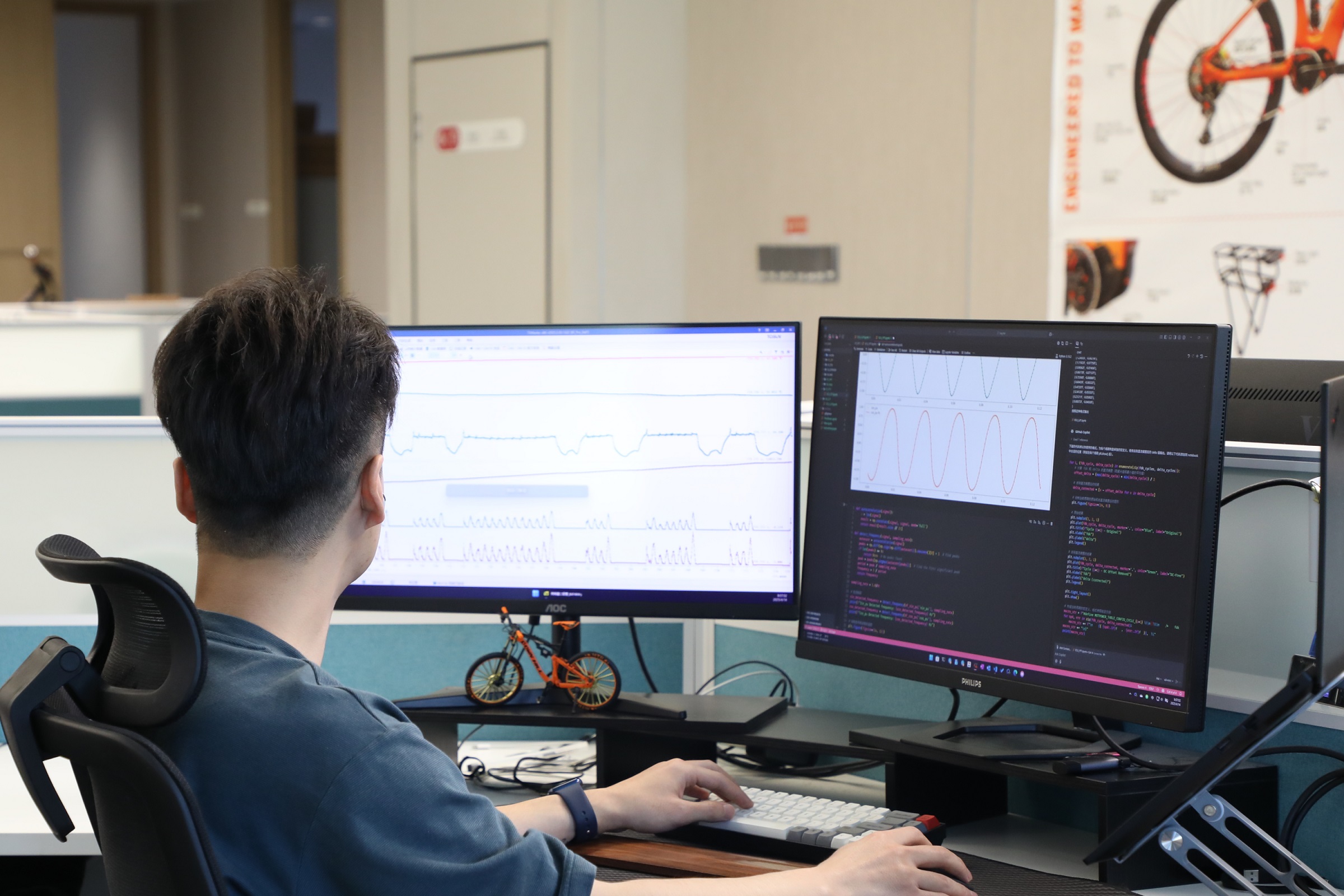
Bafang Senior Software Engineer Cedric Gao explains the algorithmic inspiration: “It’s like the docking scene in Interstellar. Cooper matches the ship’s rotation to the spinning space station, bringing the high-speed docking port to a relative standstill. The algorithm works on the same principle. If you measure pedaling on a time scale, the force curve constantly stretches and compresses as your cadence changes. But if you anchor your reference frame to the rotating crank, the force pattern becomes fixed. Only a stable signal can be reliably predicted.”
Deep Synergy: Engineered to Work as One
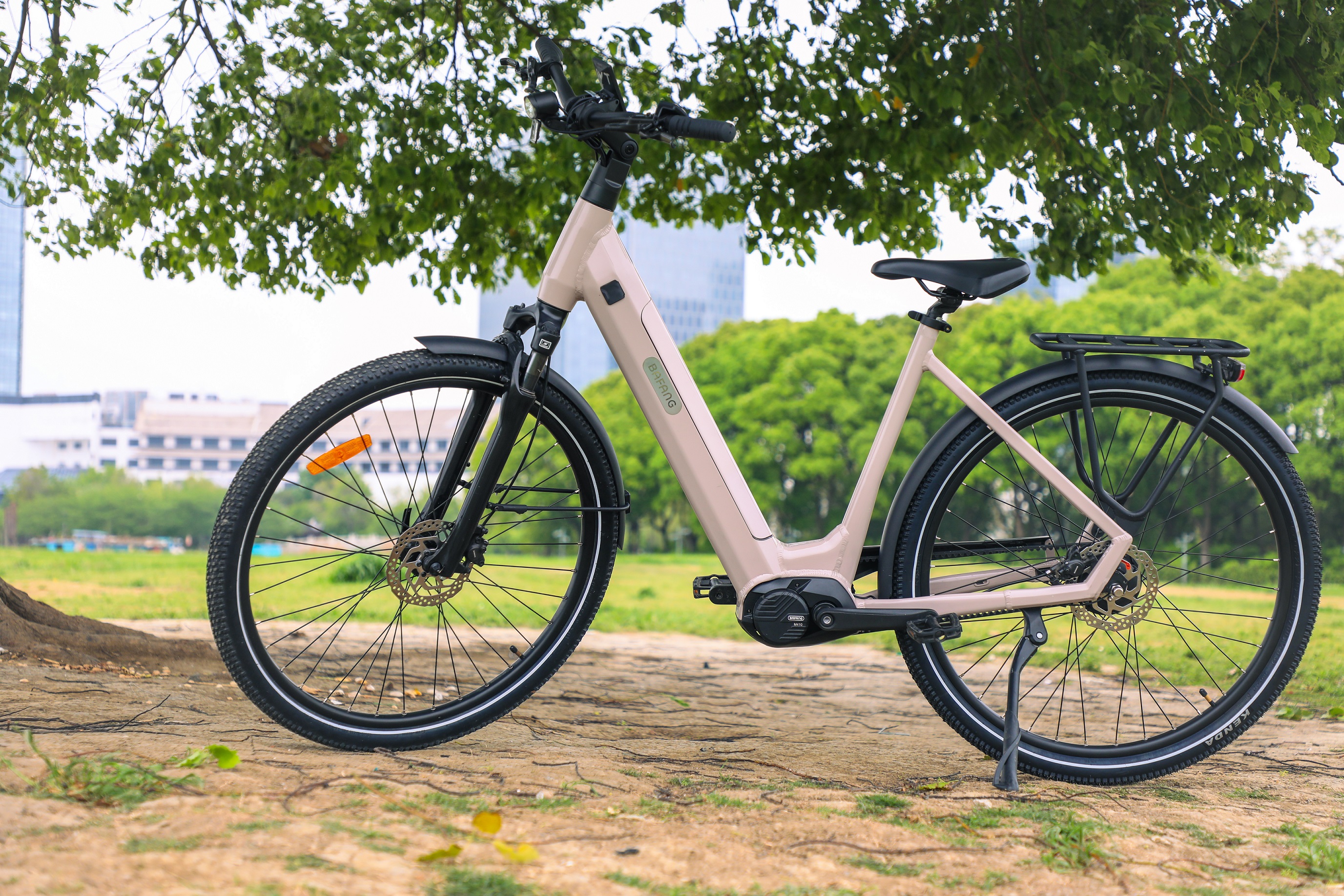
If the hub and motor operated in isolation, the value described above would be lost. Because Bafang develops the motor, hub, display, and battery on a shared platform, all components share data in real time, achieving ecosystem-level synergy.
The hub pulls real-time torque and cadence data from the motor to predict the exact moment to shift. During the shift, the motor briefly eases off its drive, making the transition clean and crisp. In return, the hub shares gradient data from its 6-axis IMU with the motor. When facing a steep climb, the downshift and the power boost arrive in exact unison.
Rigorous Validation: Built to Endure
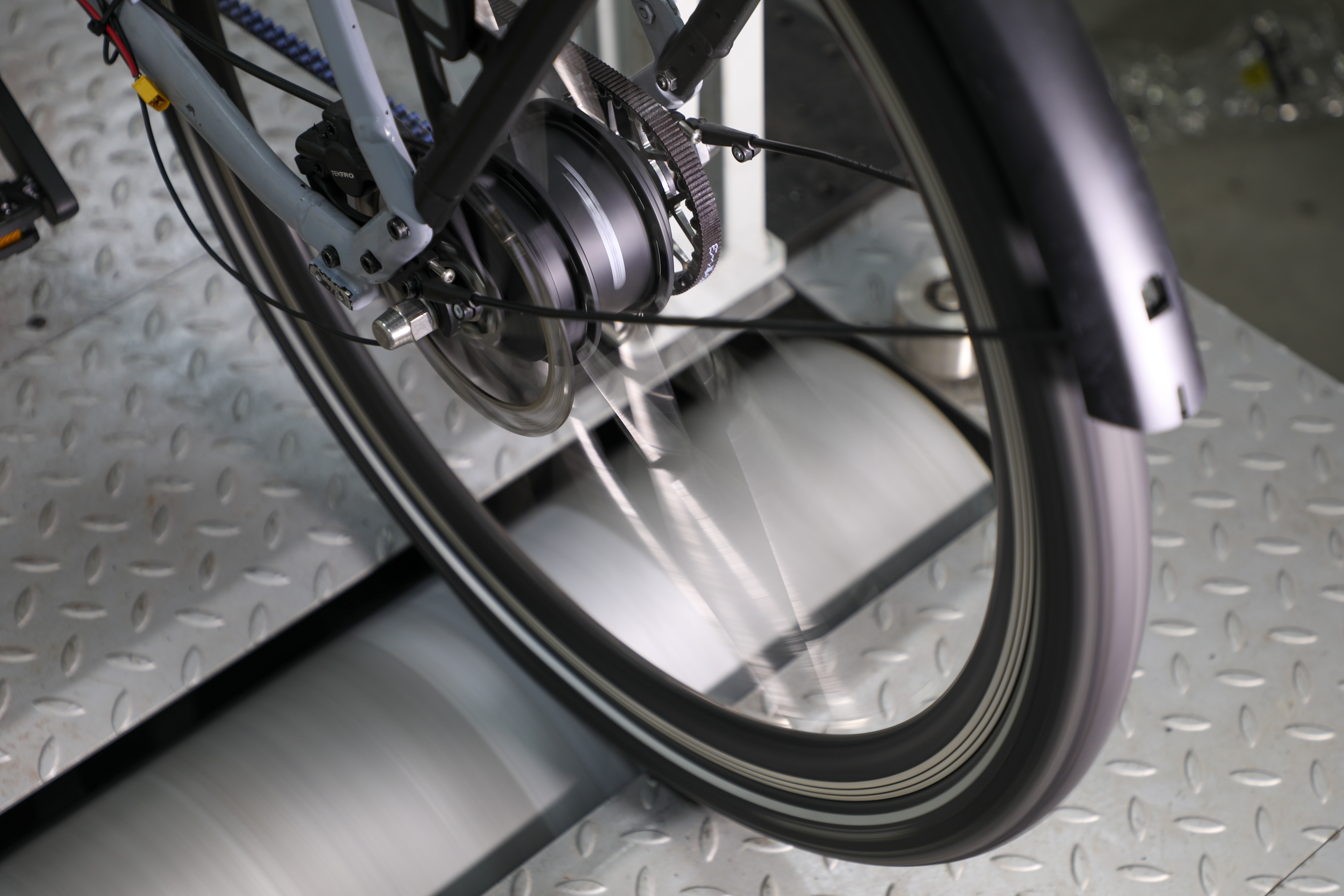
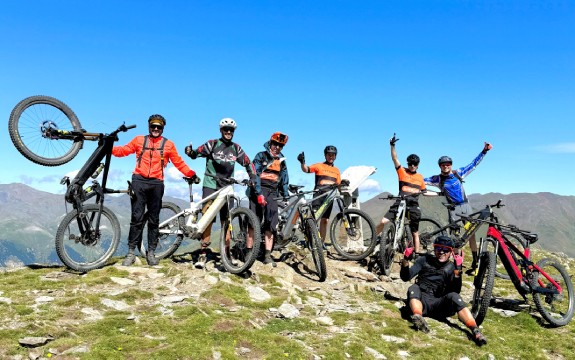
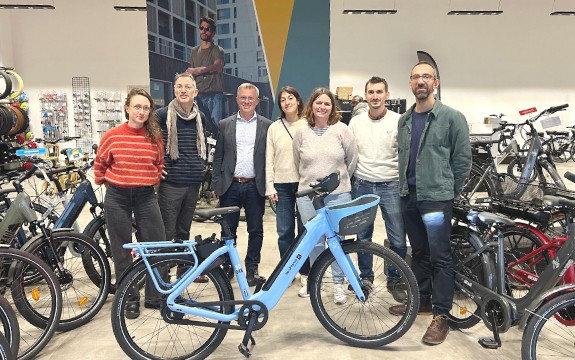
The algorithm's core logic is built on the stroke-by-stroke replay and calibration of massive real-world riding data. Meanwhile, hardware reliability has been pushed to the limit on a single test unit: over 300,000 clutch cycles, 3,000 hours of ageing, and more than 20,000 km of simulated riding. This dual validation, from code to physical hardware, has already earned genuine praise in early trade testing, described as “smooth, quiet, and excellent system matching.”
Moving forward, OTA updates and deeper system integration will ensure the RG E510.D keeps evolving. It is more than just automatic shifting technology; it represents the full synergy of Bafang’s drive system—delivering imperceptible shifts that bring riding back to pure, effortless comfort.