High power is not the end goal, it’s the confidence that comes from truly understanding the rider.
In the world of eMTBs, specs always draw attention. When the RS series launched, many eyes fixed on the “1700W peak power” figure. Power, torque, assistance ratios, these numbers matter. But we want to make one thing clear: high power is not the goal. Its real value lies in delivering smooth, natural power at both low and high cadences, maintaining a consistent pedal feel across the entire cadence range.
Hardware Upgrades: Sharper Sensing
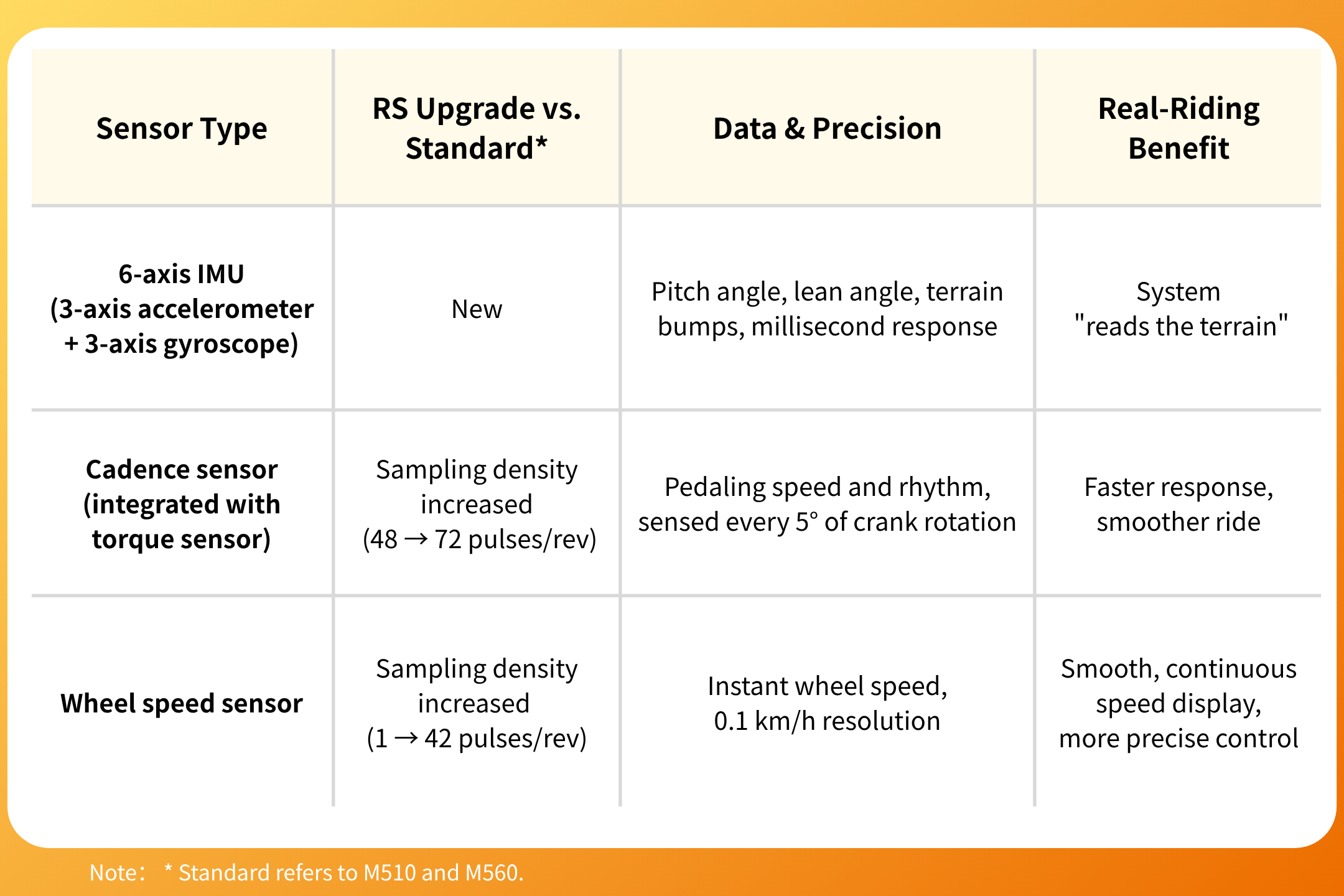
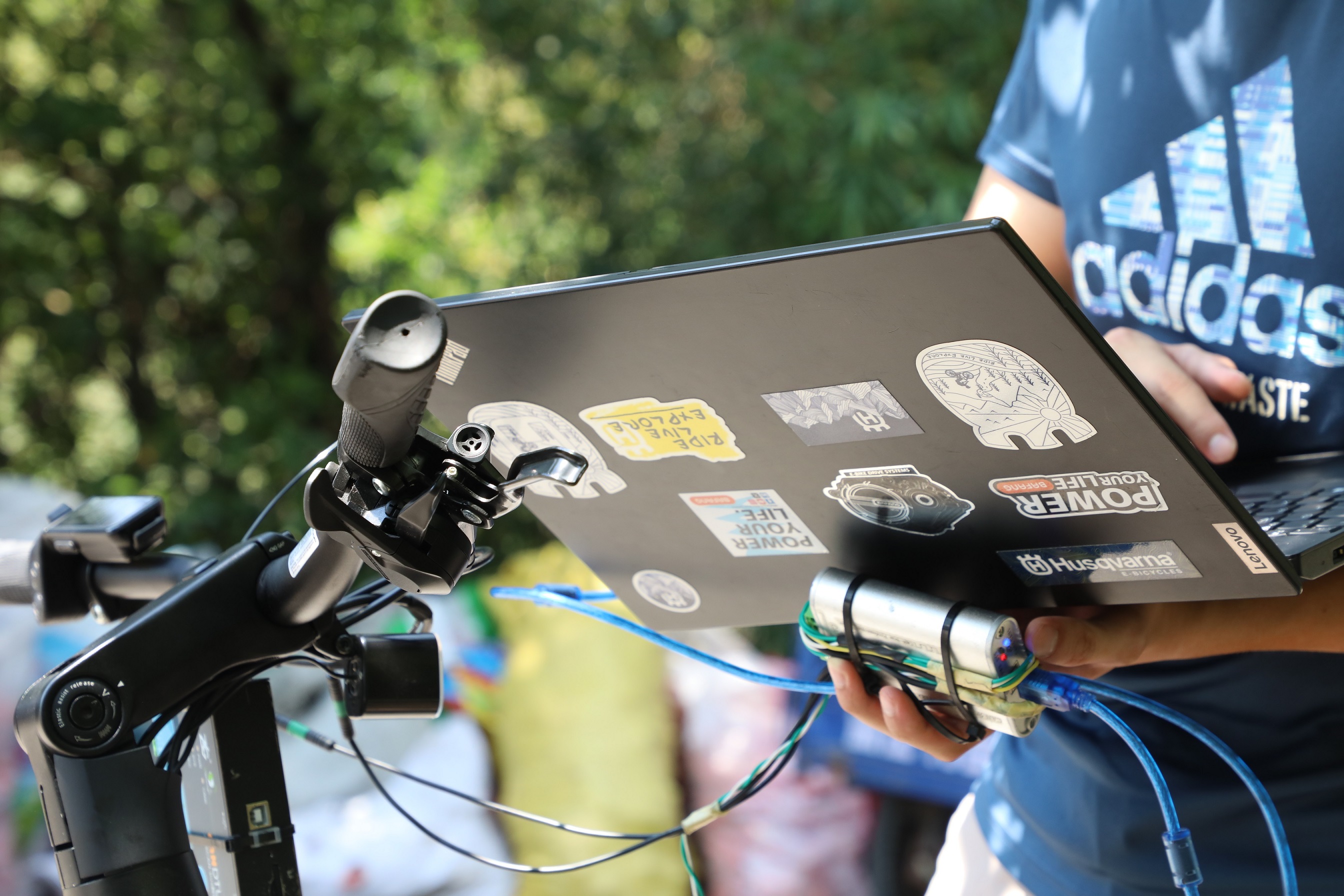
The hardware changes in the RS series center around sensor upgrades: higher-resolution cadence and wheel speed sensors, plus the addition of a 6-axis IMU.
- The 6-axis IMU is a key part of the RS system. It senses pitch, lean angle, and surface changes. Mountain trails are complex, impacts, centrifugal forces, and rider body movements all create interference. The RS uses multi-layer algorithms to filter out this interference and extract the rider’s true intent.
- The cadence sensor now samples at 72 times per pedal revolution (up from 48), capturing pedal angle and rhythm with much finer resolution, allowing the system to respond faster to your pedaling intention.
- The wheel speed sensor detects speed changes as fine as 0.1 km/h, enabling more responsive and precise power delivery during starts, accelerations, and walk-assist scenarios.
Ride Modes: Different Personalities
Think of sensors as a sharp sensory system that gathers rich data. The algorithms act like a set of values and reasoning, interpreting complex signals to determine the riding state, weighing variables like gradient, lean angle, torque, cadence, speed, temperature, etc.
To make the bike truly “understand” your ride, engineers designed multiple modes for the RS system, each tailored to different preferences and scenarios. ECO, TOUR, SPORT, SPORT+, BOOST, and BOOST-TO-LIMIT are not a simple ladder of intensity, they are different “personalities” available side by side.
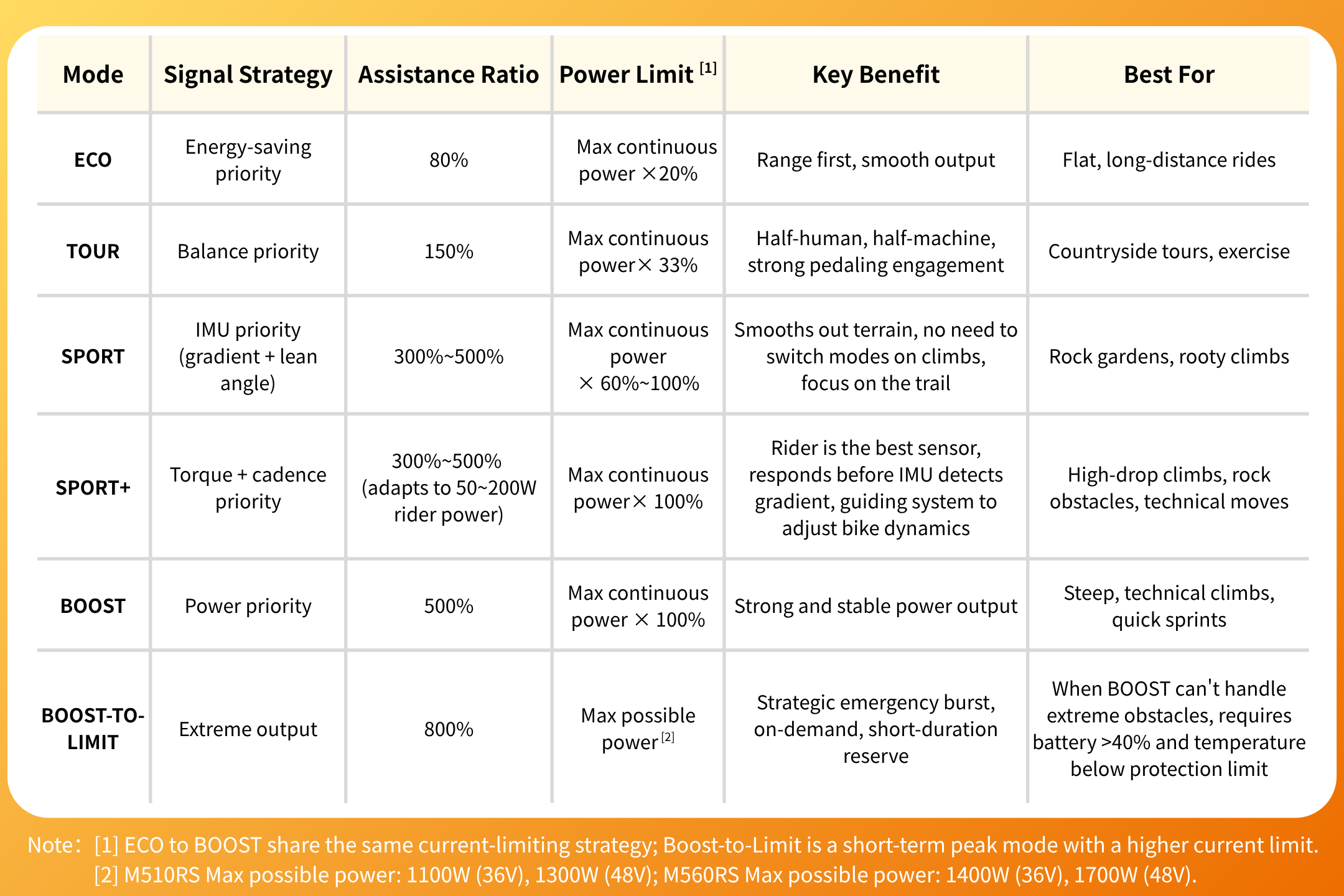
SPORT acts like an “autopilot” with an IMU-first strategy, helping the rider handle terrain variations continuously. SPORT+ is more like a “manual race mode”, torque and cadence are the primary signals, and the rider becomes part of the system. Your body’s response often precedes the IMU, and together with the algorithm, decisions are made in milliseconds. As for the much-talked-about Boost-to-Limit, it provides a short burst of overdrive: your ace in the hole when you need it most.
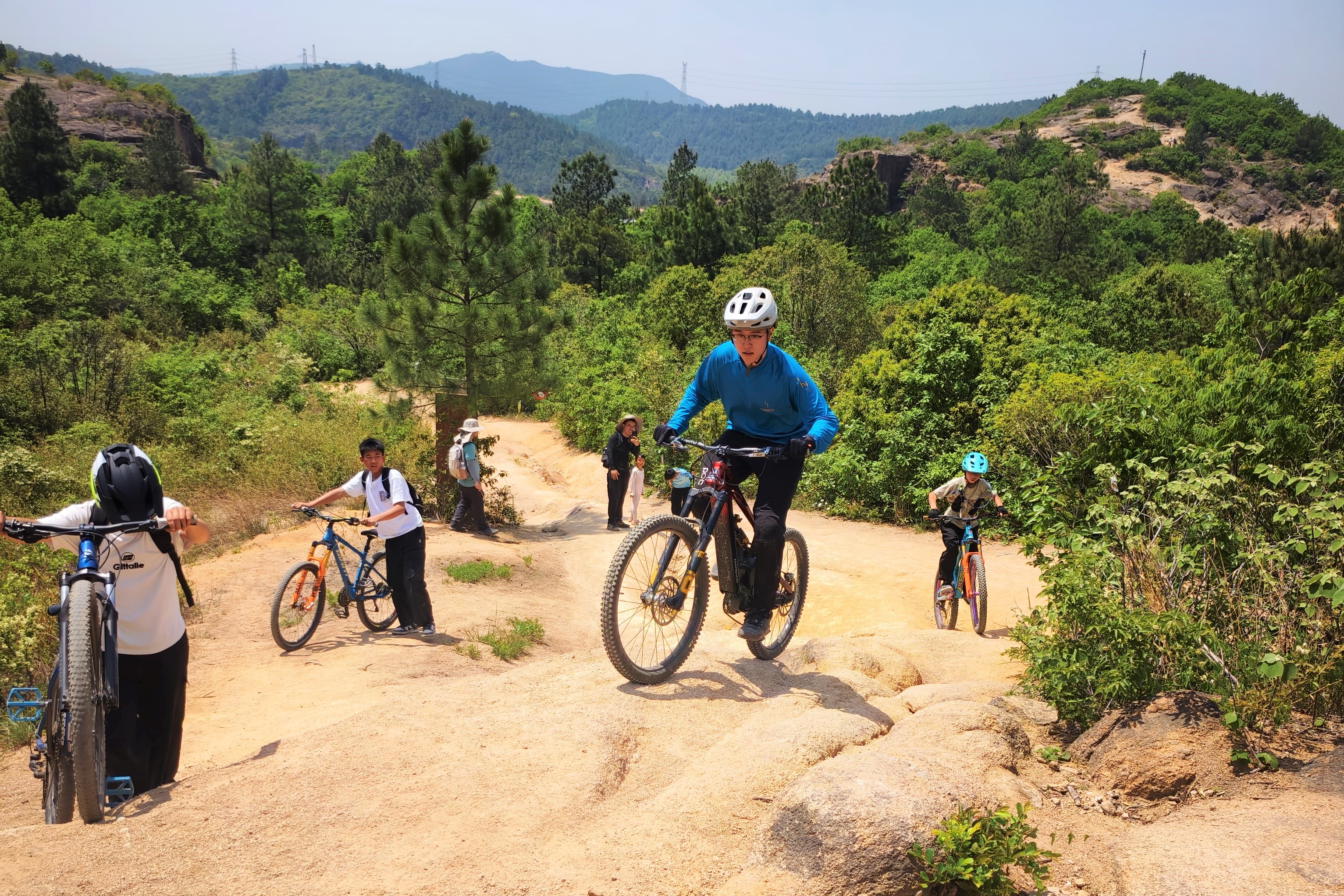
As an avid mountain biker, RS software engineer Zang Xitu is a loyal fan of SPORT mode. He finds SPORT+ interesting – it allows technical moves like wheelies, but he uses SPORT most on his rides. His reason is simple: “No need to look down at the display, no need to reach for a switch and shift. Just hold the bars, keep eyes on the trail. The bike handles the rest. With it, I feel more free in the mountains.”
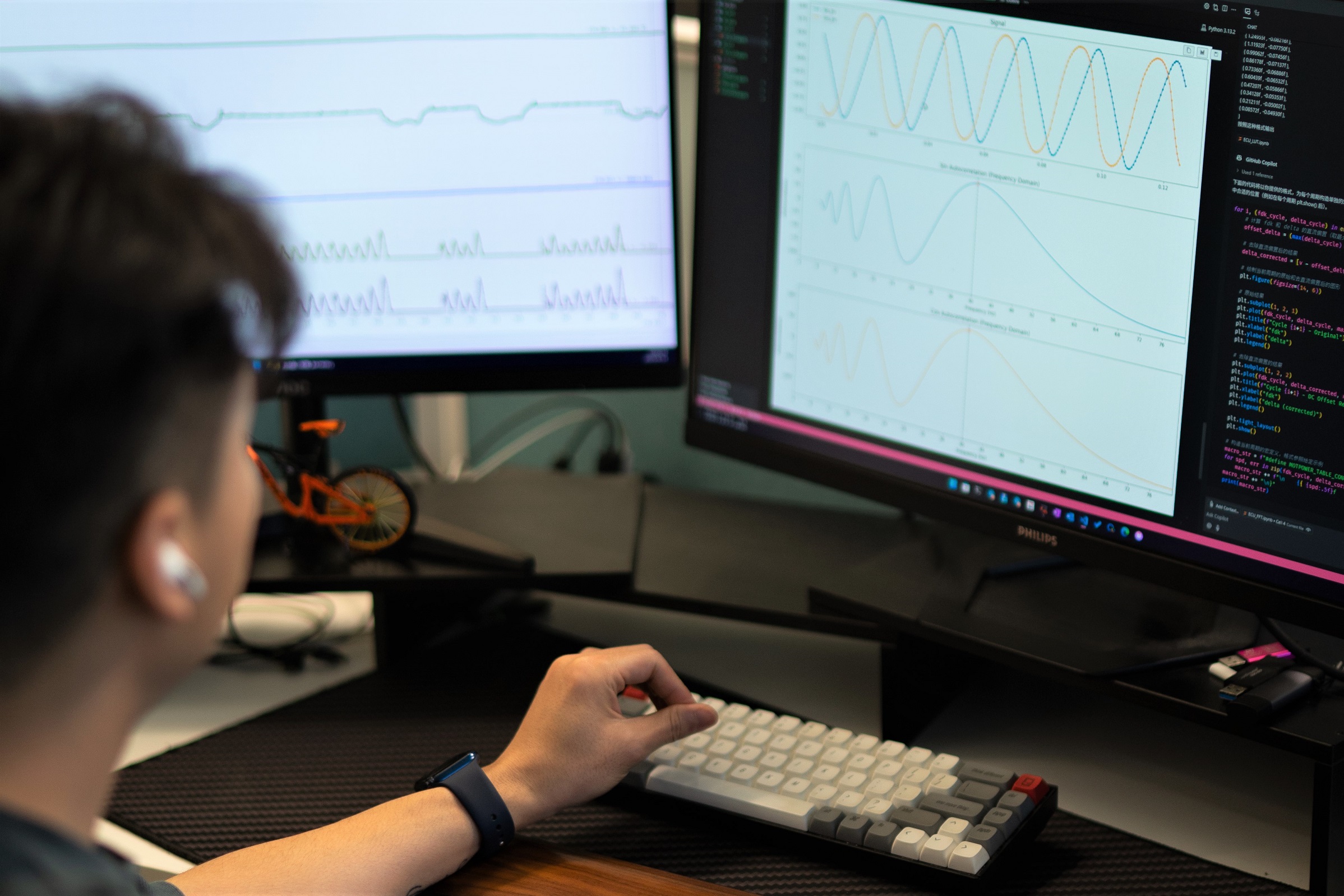
Hardware engineers often leave personal marks on PCBs, some draw a lightning bolt, others a tiny boat, like signatures on the circuit. Software engineers have their own language. Xitu, for example, designed an algorithm that solved a subtle issue: when the rider stops pedaling, concept systems tend to have a slight “surge” at the very last moment. He refined the power decay logic to suppress that inertia, making the power cut-off feel natural and smooth.
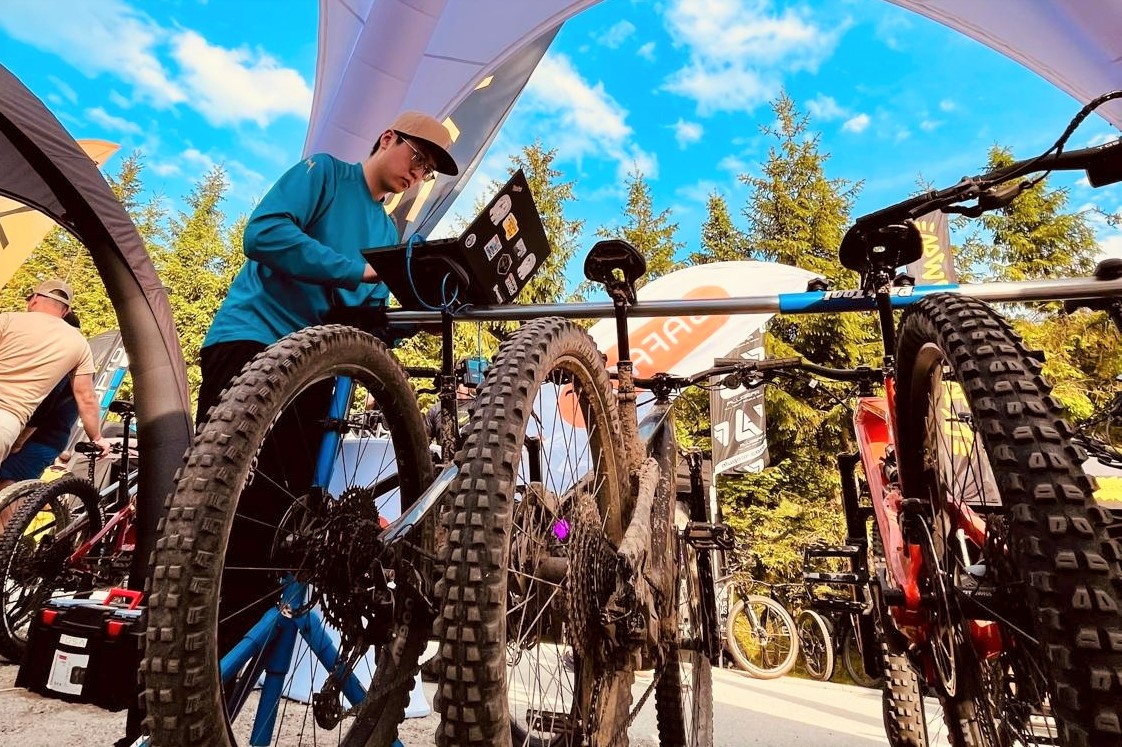
There are many such details in the product development. The IMU’s real-time terrain interpretation, the synergy between rider and system in SPORT+, the different “recipes” for processing signals in each mode…each one, reflects the engineer’s constant questioning: “Does this bike truly understand me?”
So what does “Rider-eBike-Road in One” really mean? It’s about making every pedal stroke feel natural, about power that responds precisely when you expect it. Our engineers are giving their answer, algorithm by algorithm, trail by trail.